 Abdur Razzak
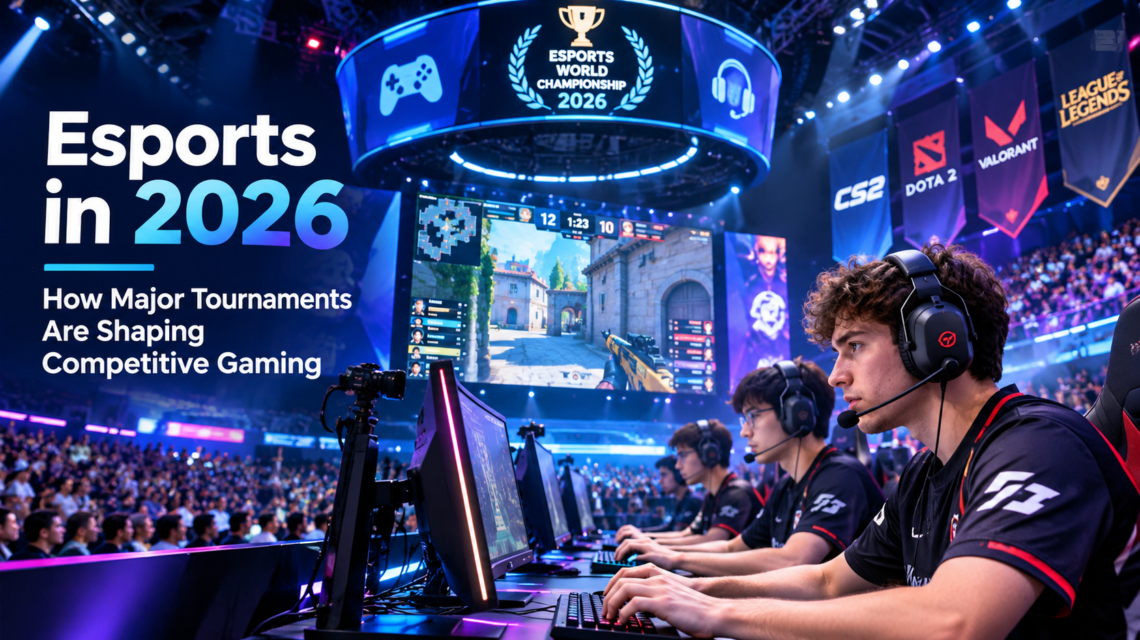
Esports is more than a series of competitive matches. It brings together players, teams, tournament organisers, game publishers, broadcasters, sponsors, and communities. In 2026, international events continue to show how competitive gaming connects live tournaments with streaming and online fandom.
Two major official event pages illustrate the late-2026 calendar. PGL lists the CS2 Major Singapore 2026 for November 24–December 13, with 32 teams across three Swiss stages and playoffs. PUBG’s official press release says the PUBG MOBILE Global Championship 2026 runs November 26–December 13 in Istanbul, with 39 teams and a $3 million prize pool. Tournament formats and timings can change, so viewers should verify schedules on organiser channels shortly before a match.
What Makes an Esports Tournament?
An esports tournament is an organised competition in a video game, usually with published rules, a match format, a qualification process, and a final ranking or champion. Some events use a league format, while others use group stages followed by elimination rounds.
Why Major Events Matter
Major esports events play an important role in the gaming industry by bringing players, teams, fans, and organisers together. They create opportunities for competition, community engagement, professional growth, and wider recognition of esports worldwide.
They create shared moments
Large tournaments give fans a common event to follow, discuss, and watch together. Live arenas and online broadcasts serve different parts of the same community.
They support professional ecosystems
Teams, players, production crews, commentators, and organisers all contribute to the event. Sustainable competitions need clear rules, fair scheduling, and transparent governance.
They connect gaming and entertainment
Broadcasts combine gameplay with storytelling, analysis, personalities, and community participation. This helps make events accessible to viewers who may not play at a professional level.
How to Follow an Esports Event
- Check the tournament organiser’s official site for dates and match format.
- Review the participating teams and qualification rules.
- Confirm the time zone for live broadcasts.
- Use official broadcast channels and match pages for results.
- Check patch notes or tournament rule changes that may affect competitive play.
What Viewers Should Look For
- Competitive format: best-of series, group standings, or bracket progression.
- Game updates: patches can change balance and strategy.
- Player and team context: roster changes and recent form need dated, reliable sources.
- Broadcast access: language, platform, and regional availability vary.
- Fair play: tournament rules, anti-cheat policy, and integrity processes matter.
Esports vs Traditional Sports
| Area | Esports | Traditional sports |
|---|---|---|
| Competition | Organised around specific game titles | Organised around physical sports and disciplines |
| Rule changes | Game patches and tournament rules may alter play | Sport governing bodies update rules |
| Audience | Often combines live arenas, streams, and online communities | Combines stadiums, broadcasts, and fan communities |
| Governance | Shared across publishers, organisers, and teams | Often structured through leagues and governing bodies |
Frequently Asked Questions
Is esports a professional career?
It can be, for players and also for coaches, analysts, event producers, commentators, and other roles. Competition is demanding and career paths vary.
How can beginners watch esports?
Start with a game you understand, watch an official event broadcast, and learn the format and scoring rules.
Are esports events held only online?
No. Some competitions are online, some are held in arenas, and others combine online qualification with live finals.
Where can I find accurate esports schedules?
Use the official tournament organiser, game publisher, or league website. Third-party calendars are useful discovery tools but may not reflect last-minute changes.
Conclusion
Esports in 2026 remains a global entertainment ecosystem built around competitive games, live events, online broadcasts, and engaged communities. To follow it well, focus on official schedules, tournament formats, and reliable match reporting rather than unverified predictions.
Sources and Further Reading
- PGL CS2 Major Singapore 2026 — official tournament page with dates, stages, and team format.
- PUBG MOBILE Global Championship 2026 — official tournament announcement from November 16, 2026.
Editorial note: This is a category overview, not a live tournament schedule. Event dates, results, and broadcast rights must be confirmed from official sources.